
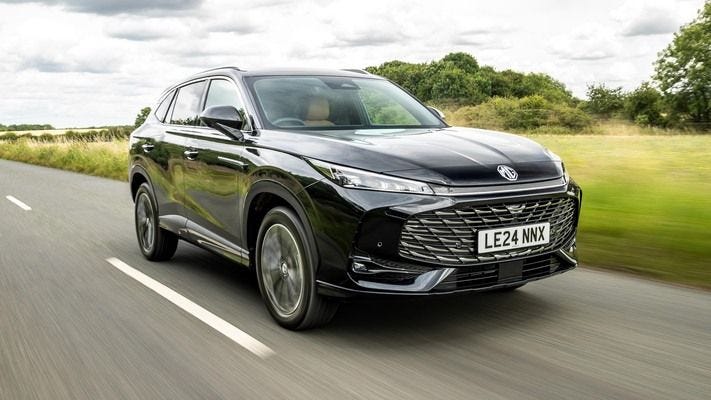





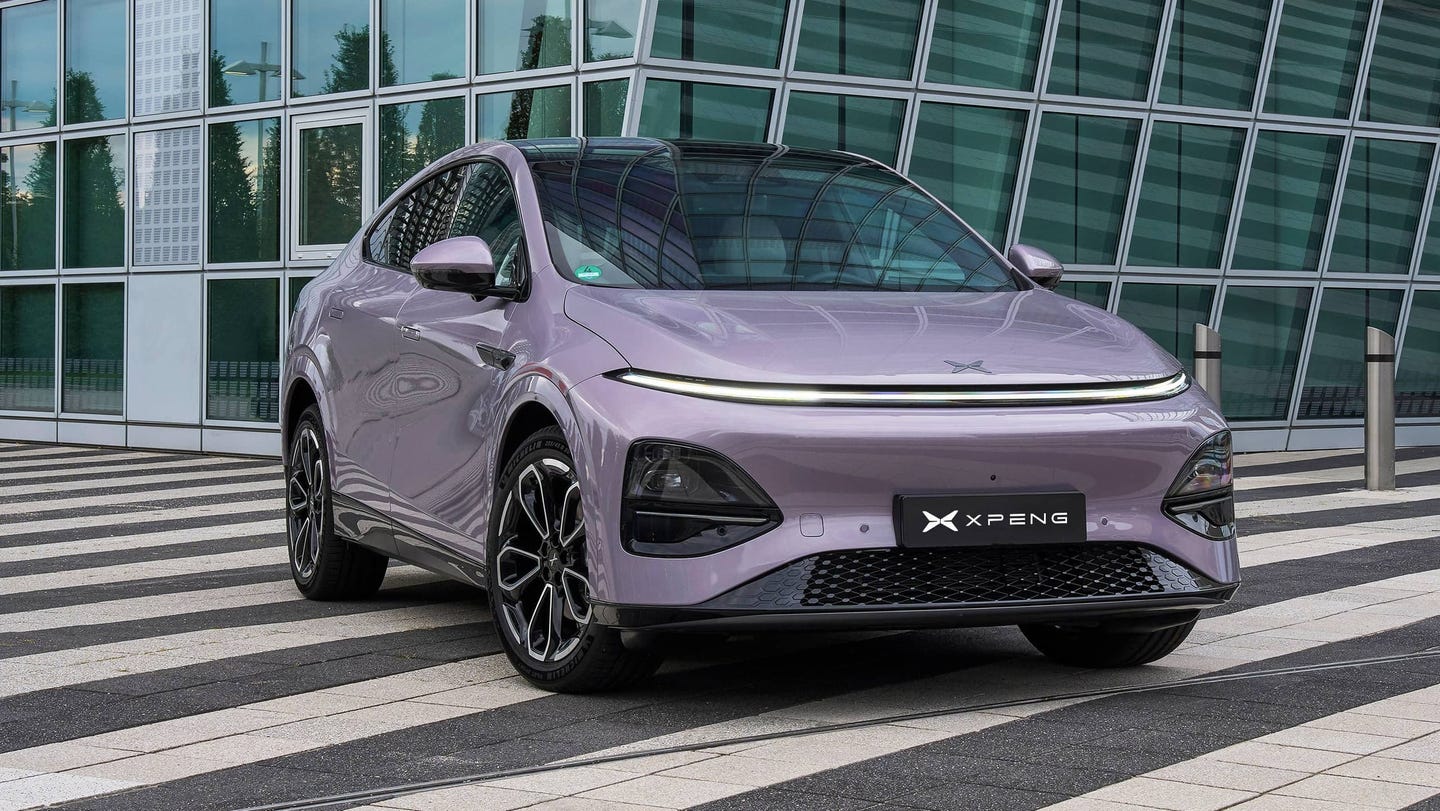

XPeng is one of a number of newcomers to the UK market, but should you consider buying one?
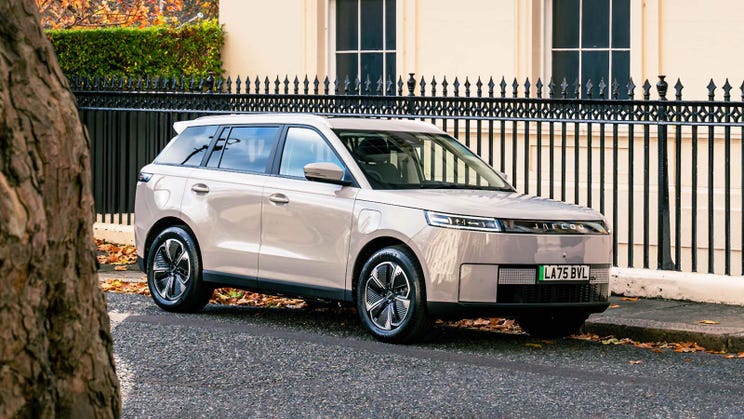
XPeng is an automotive tech company that also now makes its own cars. It has so far launched one car in the UK – the G6 electric SUV – but there are plans to bring more of XPeng’s international range of cars to our shores.
The company has its fingers in many technological pies. It has developed its own artificial intelligence (AI) chip for autonomous driving and in-car communication; it runs a charging network in China; it owns a flying car development company called AeroHT; and it is aiming to mass-produce humanoid robots by the end of 2026.
XPeng’s ‘Iron’ humanoid robots are five-foot-eight, weigh 70kg and have over 60 different joints to give human-like movement. The robots are used to manufacture cars in XPeng’s two Chinese factories, as well as for certain warehouse duties.
XPeng can be pronounced ‘shao-pung’ or ‘ex-peng’ – both are considered correct.
Who owns XPeng?

XPeng is privately owned, predominantly by He Xiaopeng – whose name became the name of the brand. Interestingly, the Volkswagen Group is a strategic shareholder.
The VW Group spent $700 million for a near-5% share in XPeng in 2023, and now enjoys a technological partnership with XPeng for some of its cars developed for the Chinese market. VW will also be the first to benefit from XPeng’s new driver assistance system for narrow roads, again in China.
What cars does XPeng make?
XPeng G6

This is the first car that XPeng has launched in the UK. The G6 is a Tesla Model Y-rivalling electric SUV with up to 326 miles of range and a very spacious interior. Like the Model Y, you can choose from a couple of motors and batteries, including a Performance model with almost 500hp.
Read our XPeng G6 review
XPeng X9

Luxurious seven-seat MPVs are very popular in parts of Asia, but UK buyers often don’t see the appeal. Even so, the XPeng X9 is due to come to the UK soon as a fully electric car with a vast battery pack and dazzlingly fast recharging times.
XPeng L03

Another electric coupe-SUV, the L03 will be slightly smaller and cheaper than the G6 when it arrives in the UK. Its front end design seems to be inspired by Polestar, while the boot area might’ve been inspired by Ikea, with hook-plate panels where accessories can be hung from.
What other brands does XPeng own?
XPeng AeroHT

AeroHT was a startup that focused on the research and development of flying cars. Since XPeng bought it in 2020, XPeng AeroHT has revealed a couple of eVTOL (electric vertical take-off and landing) flying car concepts, plus a six-wheeled flying delivery van with a range-extender powertrain.
Where are XPeng cars made?
XPeng cars sold in continental Europe are made in Graz, Austria, by Magna Steyr – alongside a varied selection of cars such as the Aion V and Mercedes G-Class. However, right-hand-drive UK models are imported from China.
Are XPeng cars reliable?

It’s too early to comment on the long-term reliability of the XPeng G6, and we don’t know how the battery health will hold up if the G6 is repeatedly charged at its maximum ultra-fast charging speed.
XPeng offers a five-year/75,000-mile warranty in the UK, along with an eight-year/100,000-mile battery warranty. Somewhat unusually for an electric car, the G6’s service intervals are yearly or after 12,000 miles (whichever comes first), so at least the annual checkup should flag up any potential issues at an early stage.
Are XPeng cars any good?

XPeng cars have lots of eye-catching technology and its batteries can recharge at a faster rate than any other electric car. The company’s latest ‘5C’ charging setup, running on an 800V architecture, can charge at up to 451kW – giving a 10-80% charge in just 12 minutes.
We also like the G6’s incredibly spacious interior and its easygoing driving experience.
Read our XPeng G6 review here.