








10 of the best value cars

Ben Custard
•
Affordable Driving

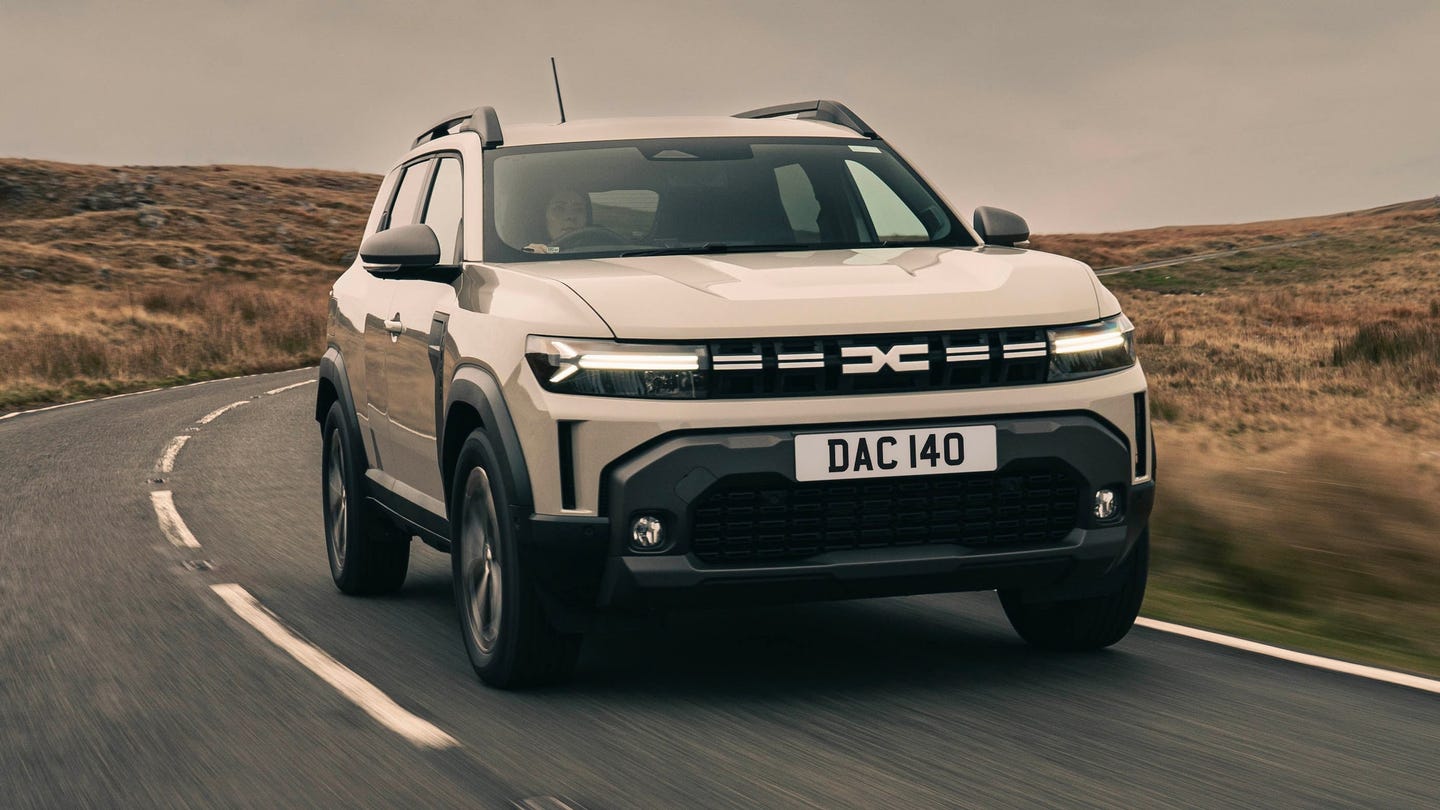
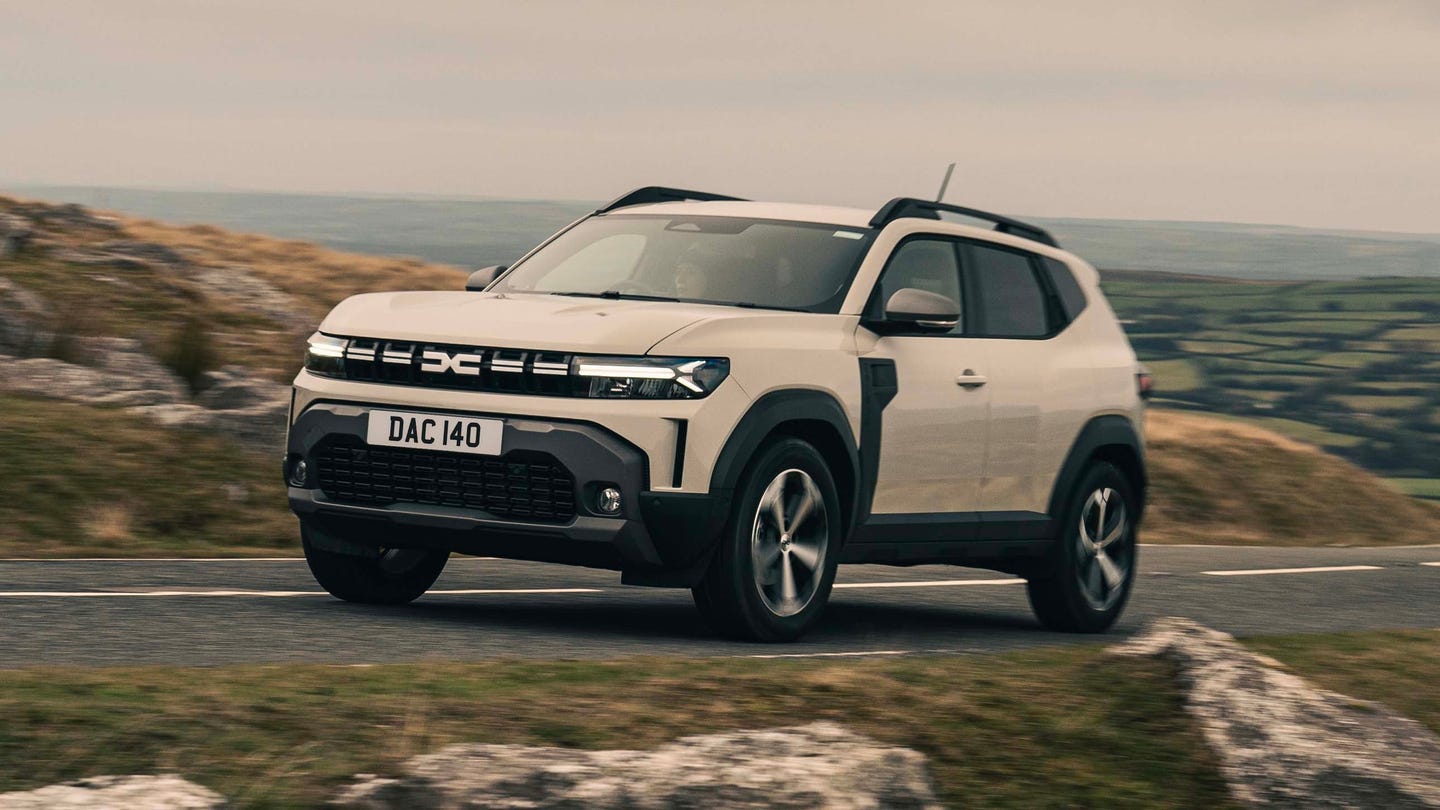
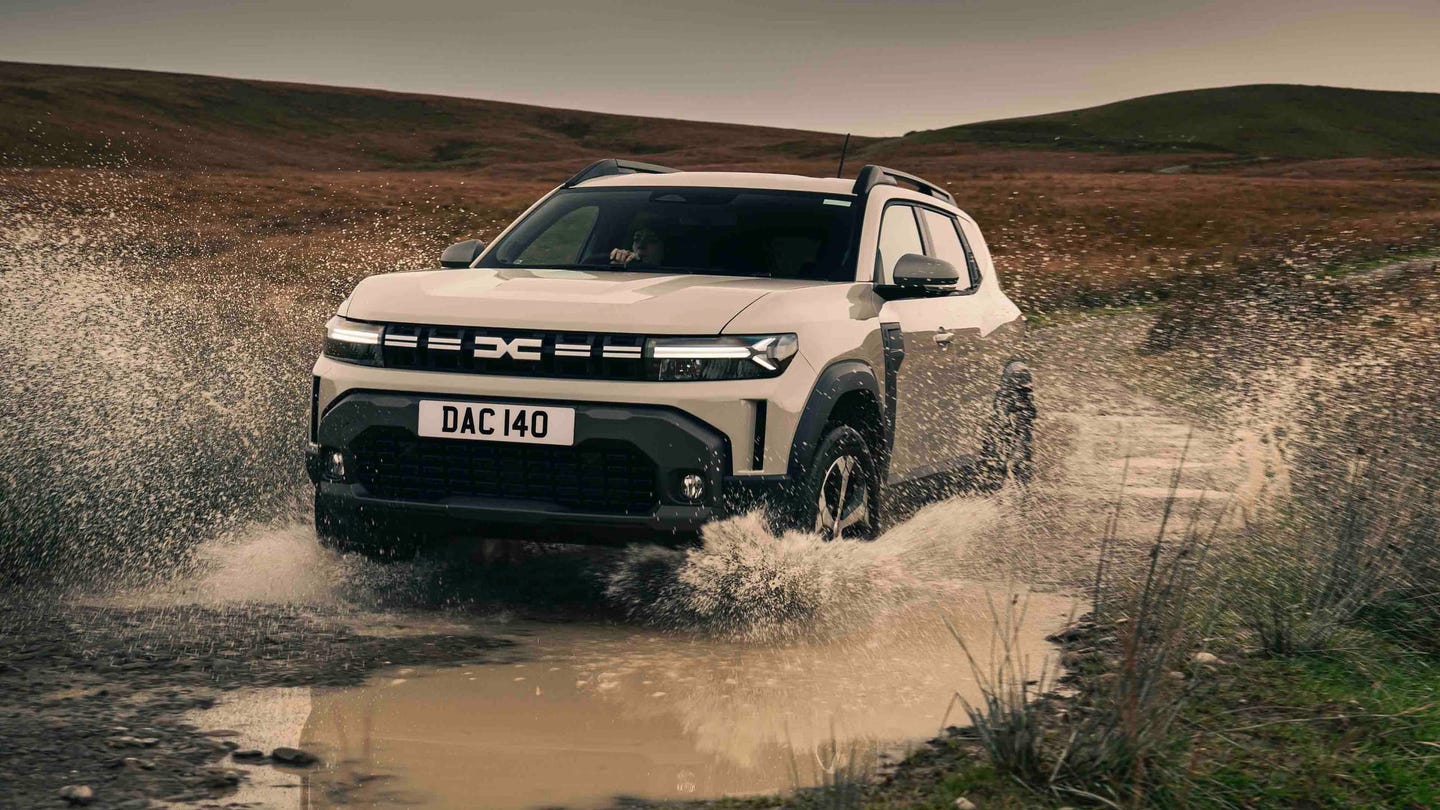
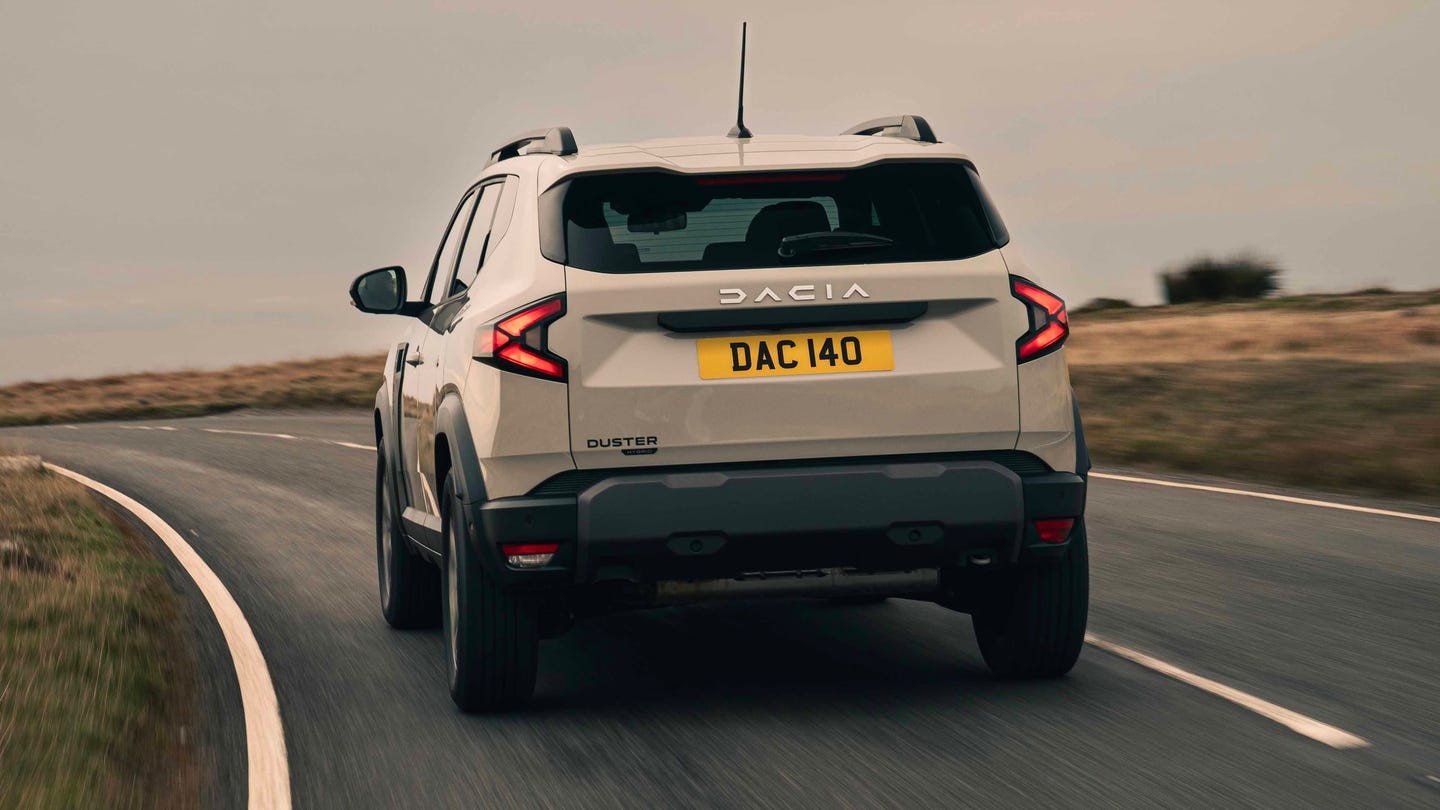
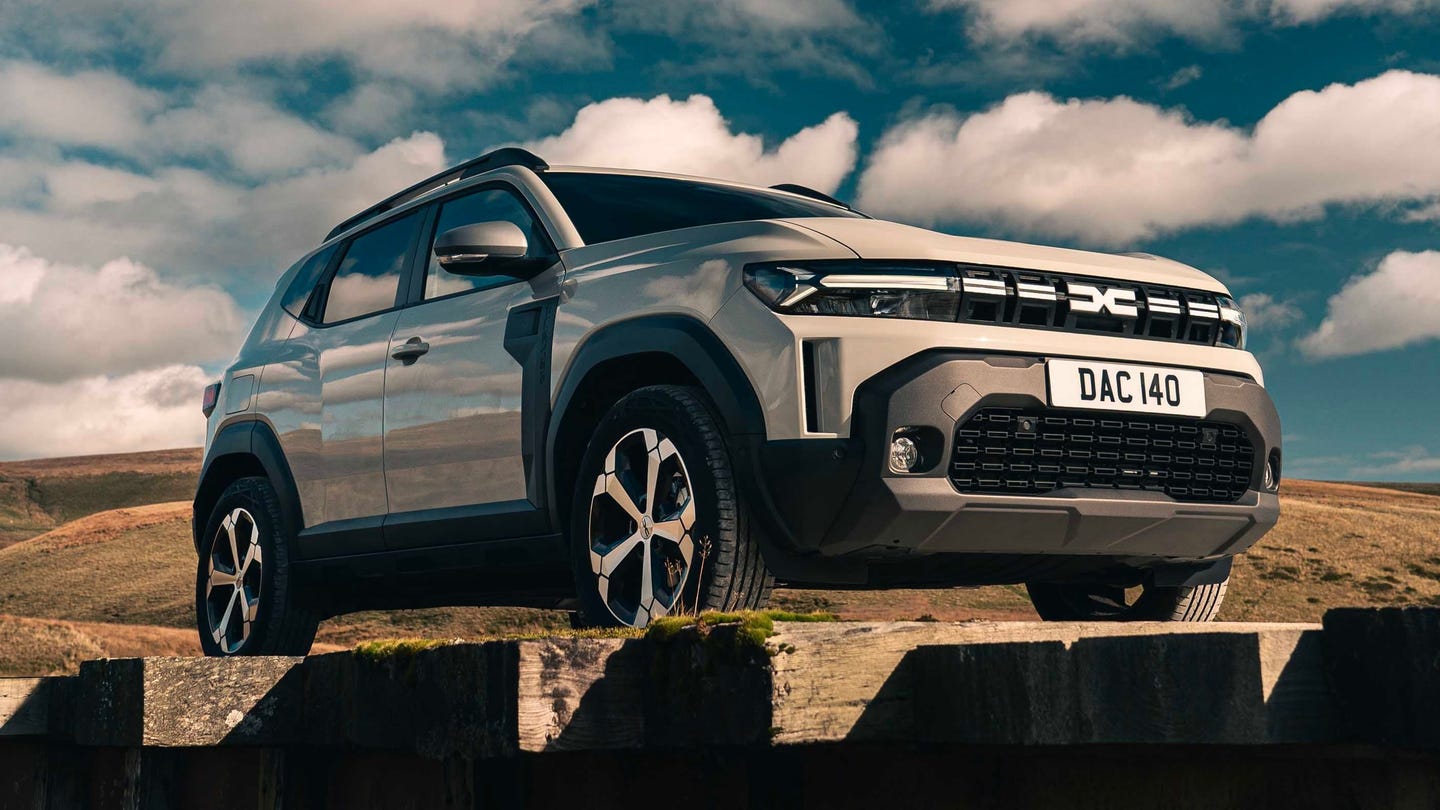
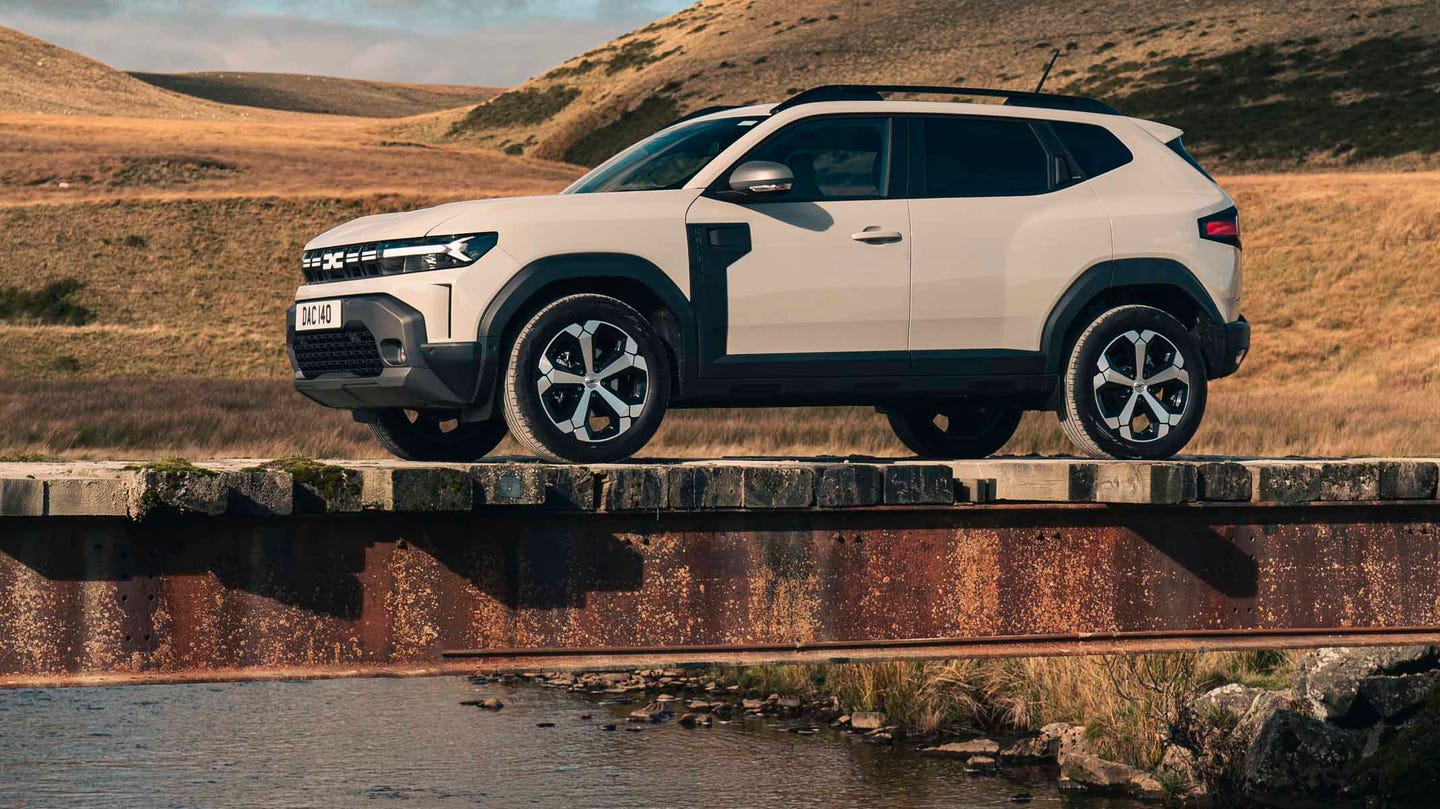
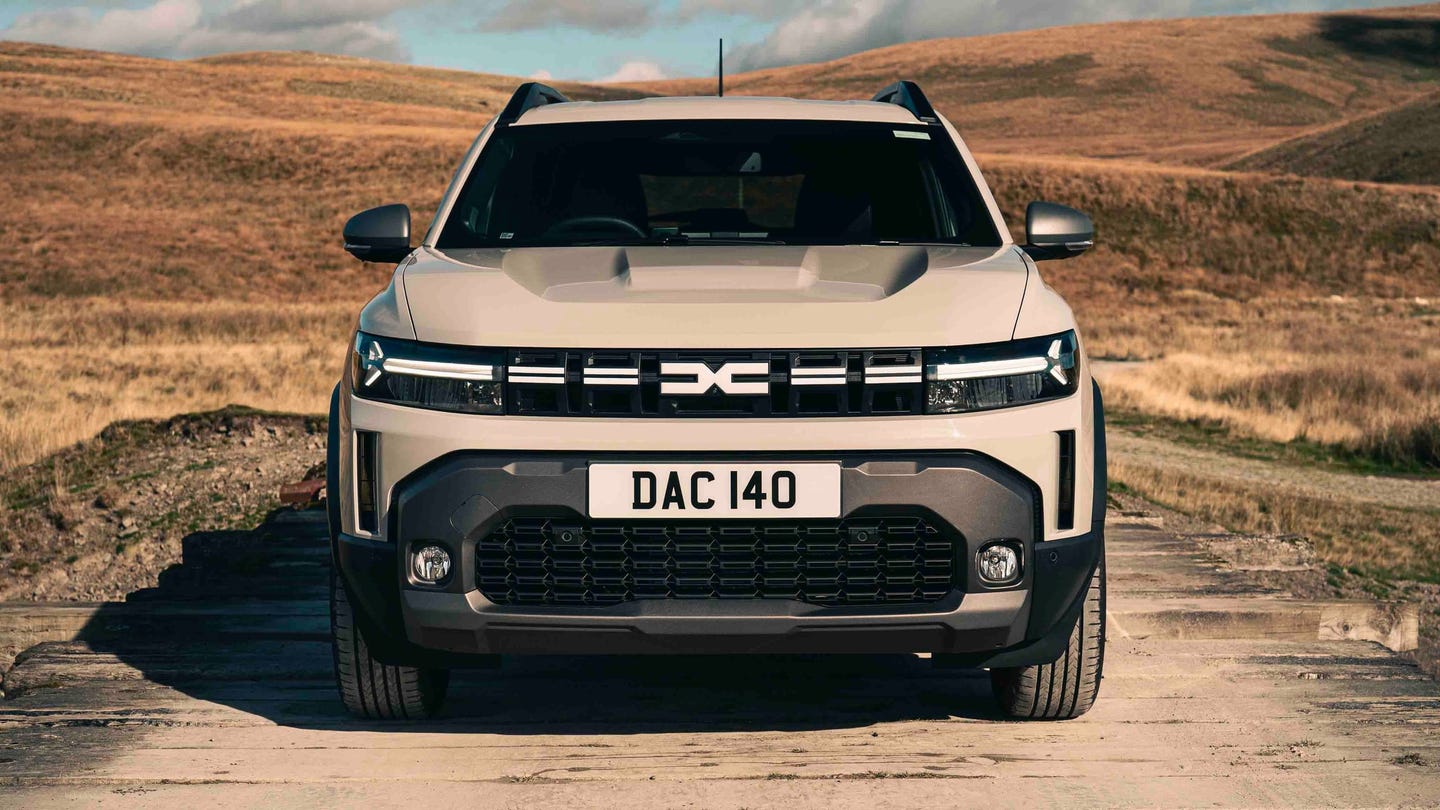
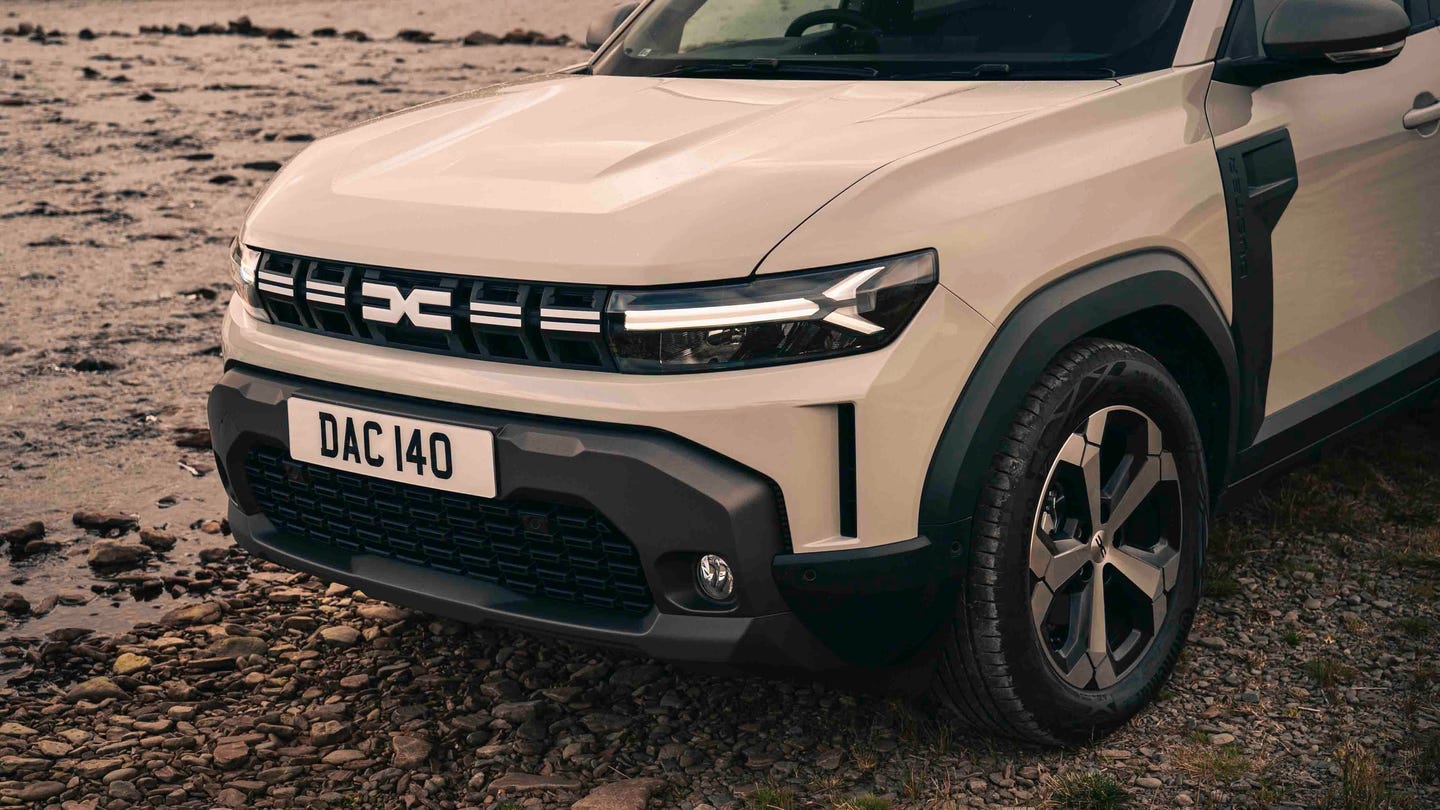
The latest Dacia Duster is a really complete SUV, and should be on your shortlist if you want an affordable, spacious car that doesn’t take up a lot of space on the road.
It undercuts most family SUVs, yet comes with a well-built interior that doesn’t feel sparse. The Duster might not cost pocket change any more, but it’s better than ever and still impressive value.


The Dacia Duster has always been a no-nonsense bit of kit, but previous versions have always made it quite clear that you’re buying a cheap car.
By focusing on a few details, Dacia has massively improved the feel of the new Duster – elevating it from something that’s purely cheap to something that’s now cool and desirable.
"You get a satisfying feeling of looking over its muscular bonnet, as if you're in a truly unstoppable 4x4"
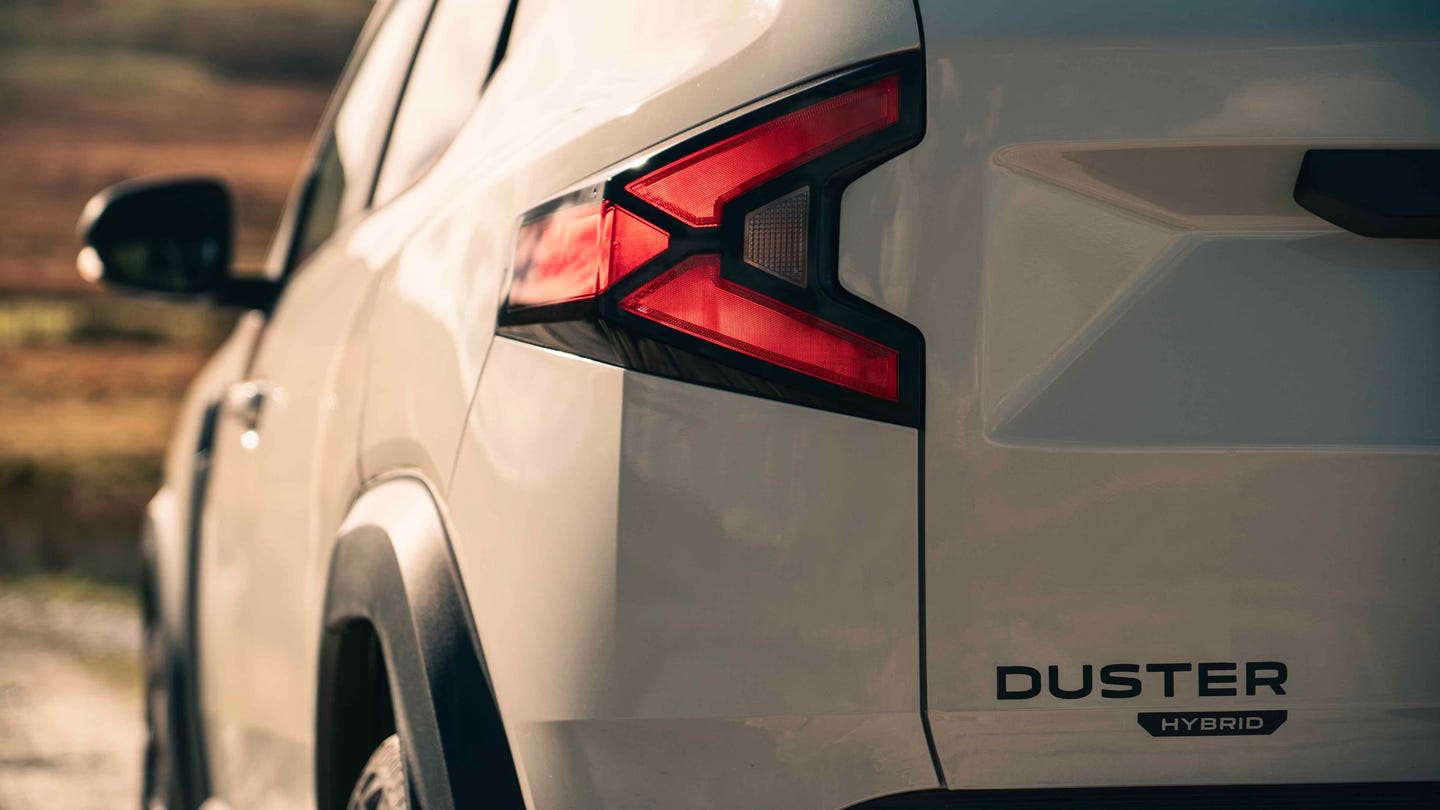
The Y-shape of the daytime running lights is also present in the rear lights, the alloy wheel designs and throughout the interior, bringing a newfound sense of cohesion. This cleverly hides the fact that Dacia has raided parent group Renault’s parts bin to keep costs down.

At the time of writing, the Duster starts at under £22,000 for a brand-new model. It undercuts the Suzuki Vitara, Omoda 5 and KGM Tivoli – other budget-focused SUVs that aren’t as good as the Duster – and it’s less than a mid-spec Vauxhall Corsa.
Besides only having a three-year warranty, and a very middling safety score, the Duster could well be the ideal family car. So, to answer our question at the top of this section… yes, you should buy a Dacia Duster.
If you're more interested about the older model, read our used Dacia Duster review.

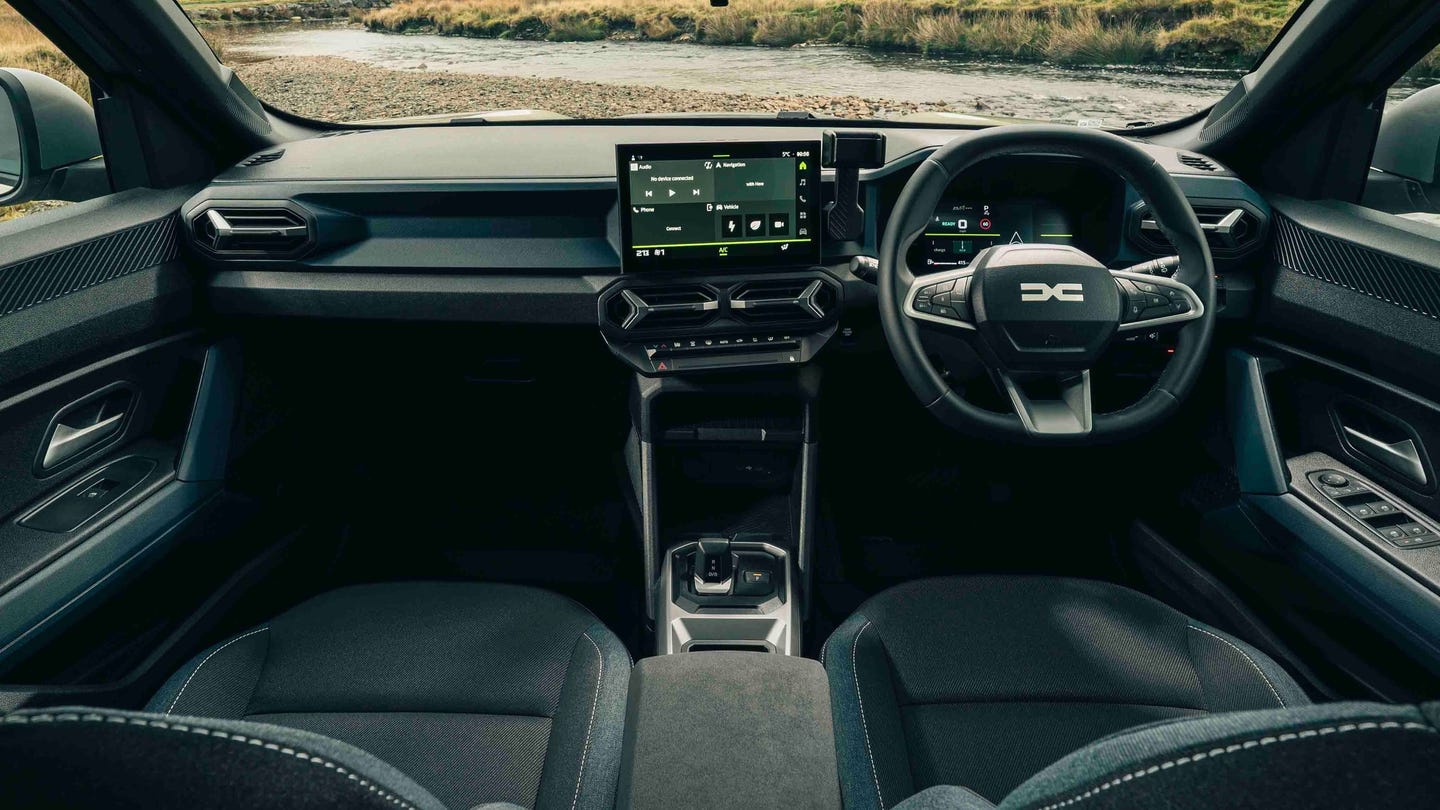
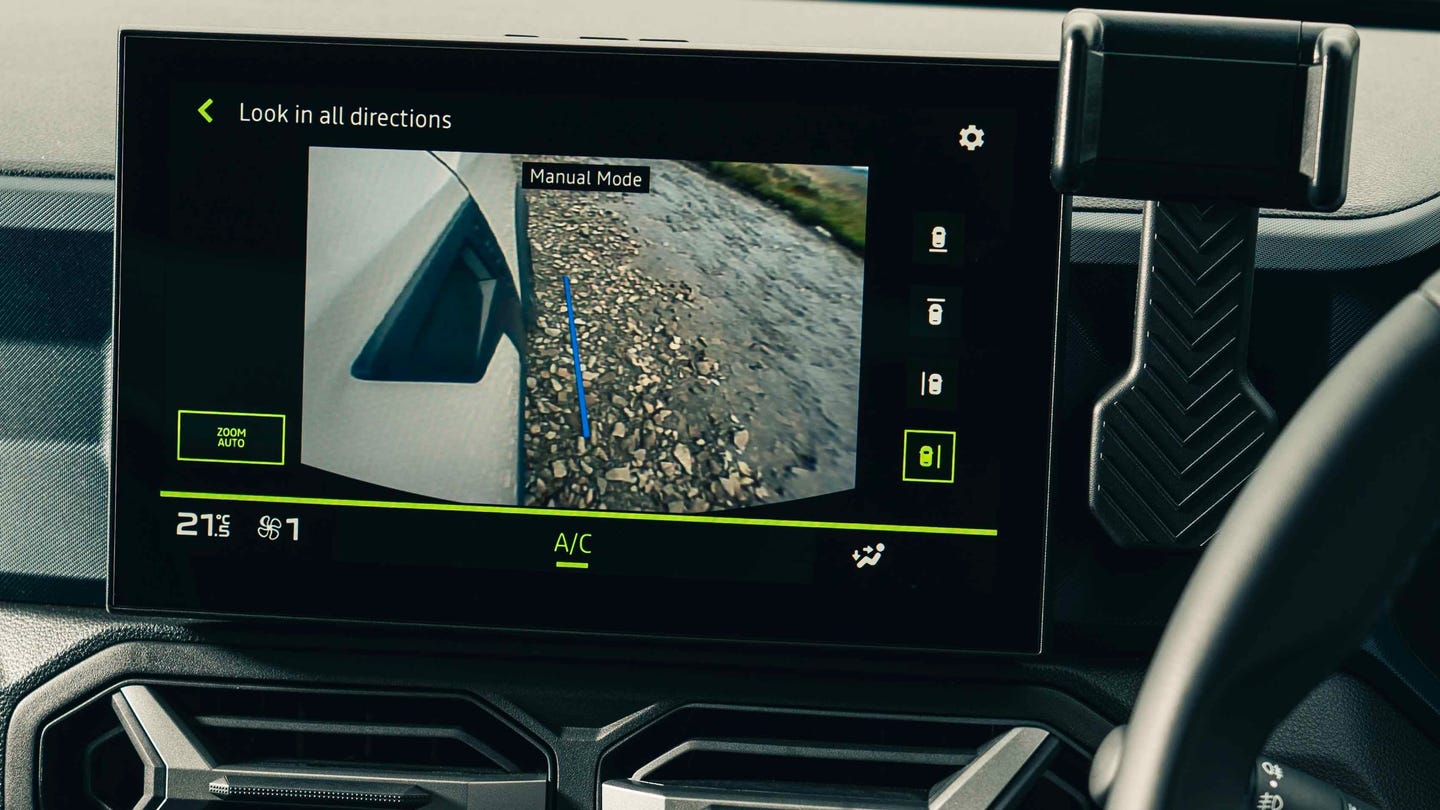
The latest Duster is the first-ever Dacia to come with a touchscreen as standard in the UK. But don’t worry – it’s still blissfully simple to use. The reskinned Renault system has a home menu with four large and obvious tiles, and there are shortcut keys to the right of the screen to quickly get to the different functions. You'll also find physical volume buttons on the top edge of the unit.
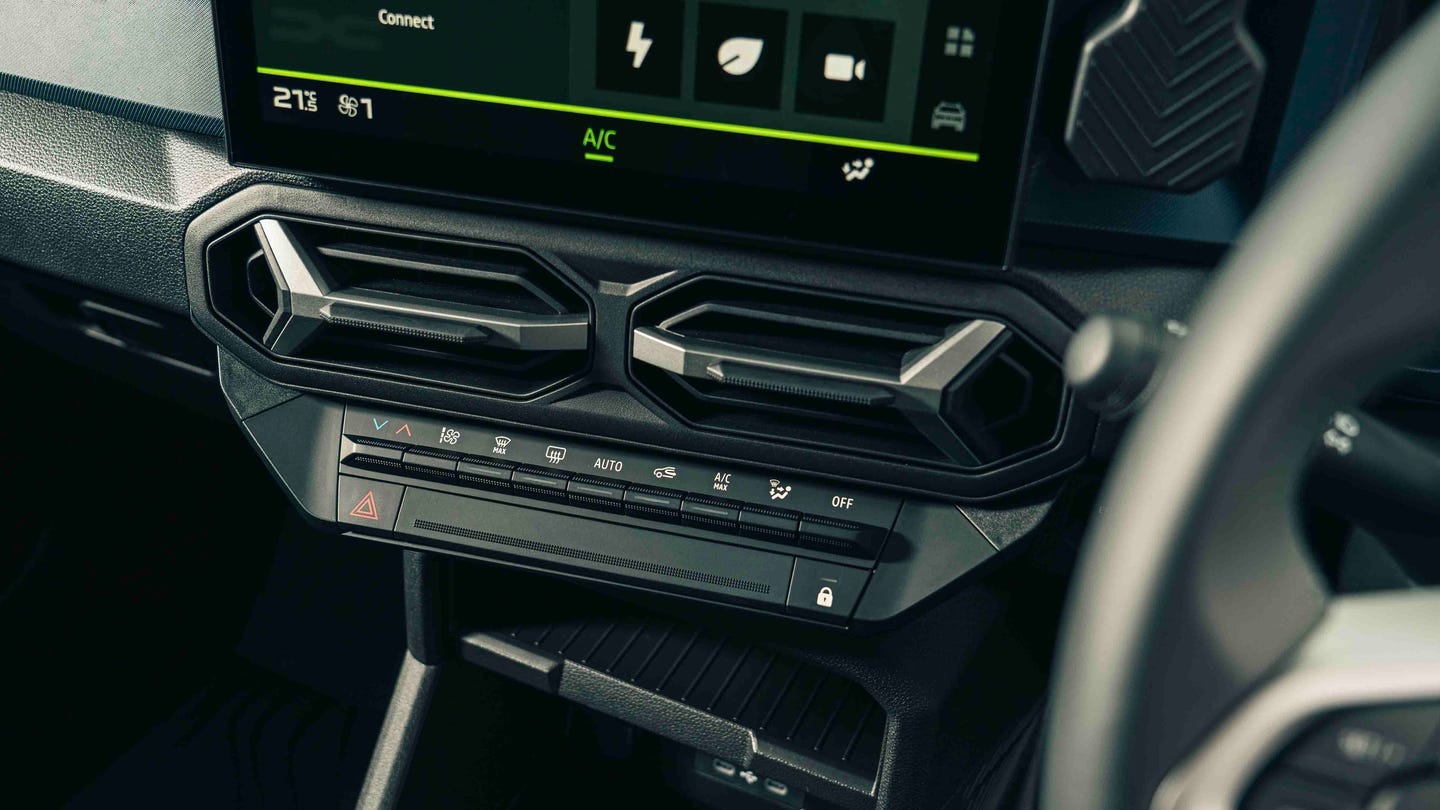
Most of the climate controls are contained within a solid-feeling row of switches. All the switchgear feels durable, actually, and all the physical buttons are easy to use while driving. There’s no acclimatisation needed, simply get in and drive.

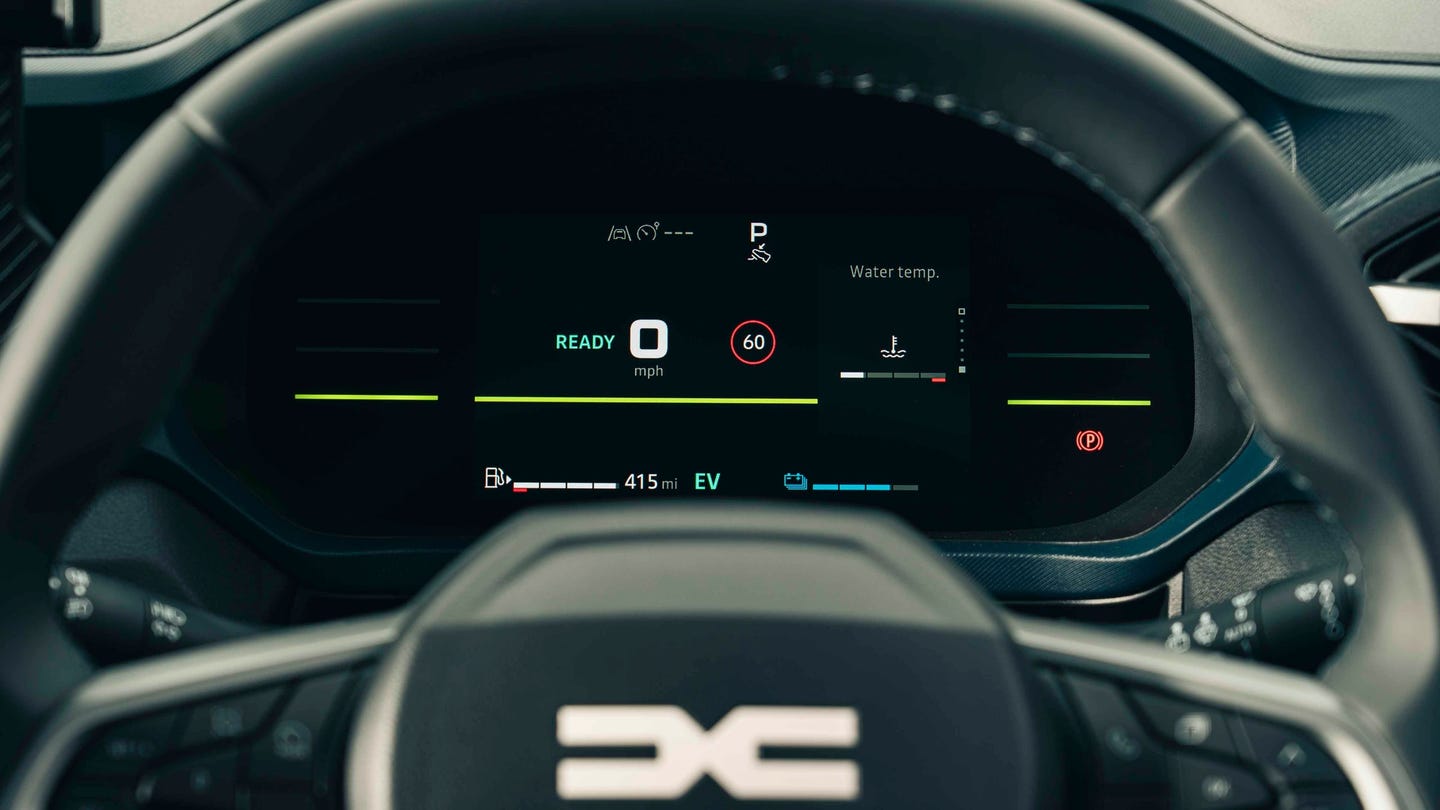
Like the touchscreen, the digital instrument cluster – again, fitted as standard – is uncluttered and clear. You can cycle through the screen displays to find specific bits of information, or you can have a minimalist look that displays your speed and little else.
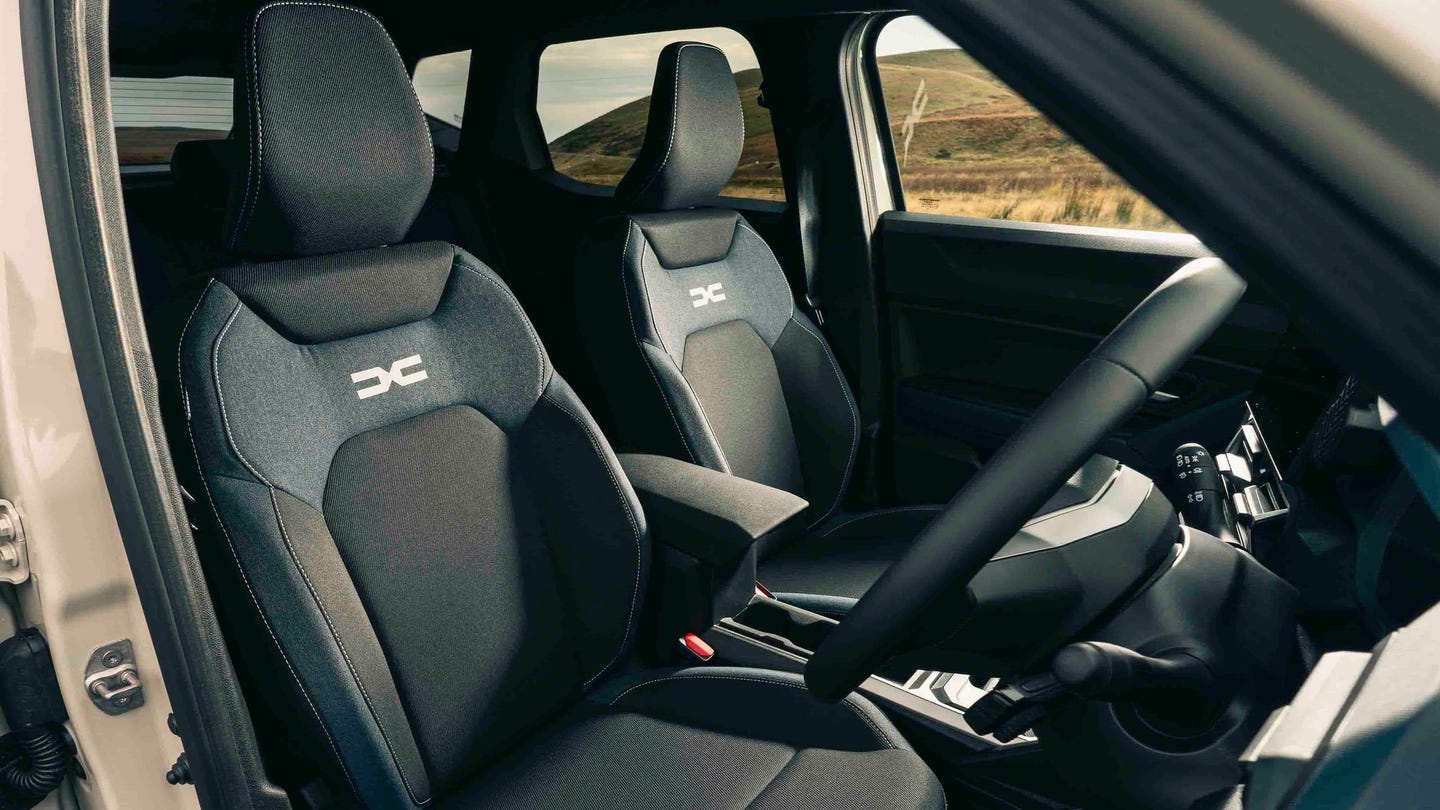
The materials used are durable rather than luxurious, perfectly fitting the Duster’s rugged nature. They’ll be easy to keep clean and will shrug off muddy boots and messy toddlers.

The Duster looks like a big, rugged 4x4, but it’s shorter than a Ford Focus. Which makes the amount of interior space even more impressive.
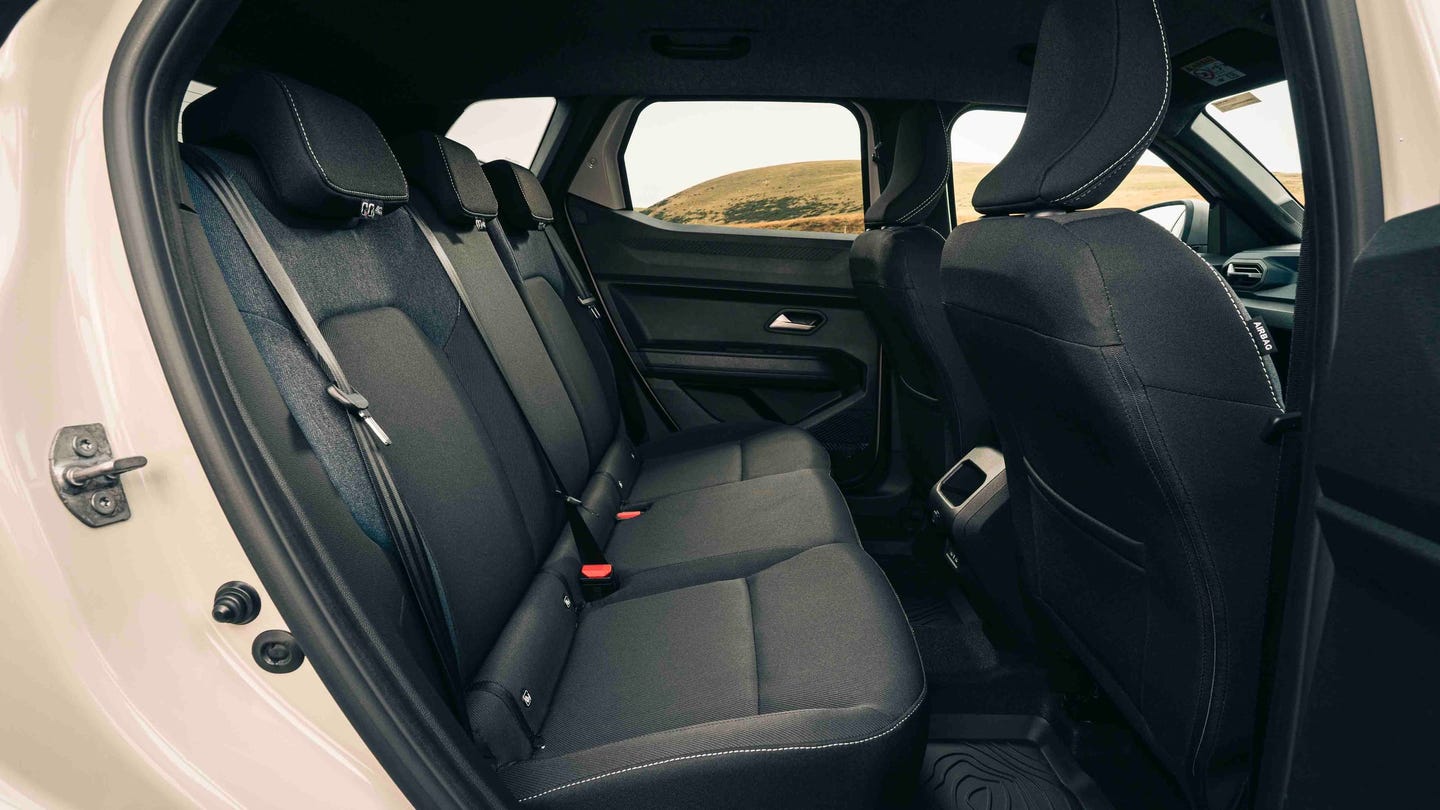
Sure, some other SUVs offer more space, but there’s no shortage of room in the Duster. Four generously proportioned adults will fit comfortably, because legroom and headroom are both good.
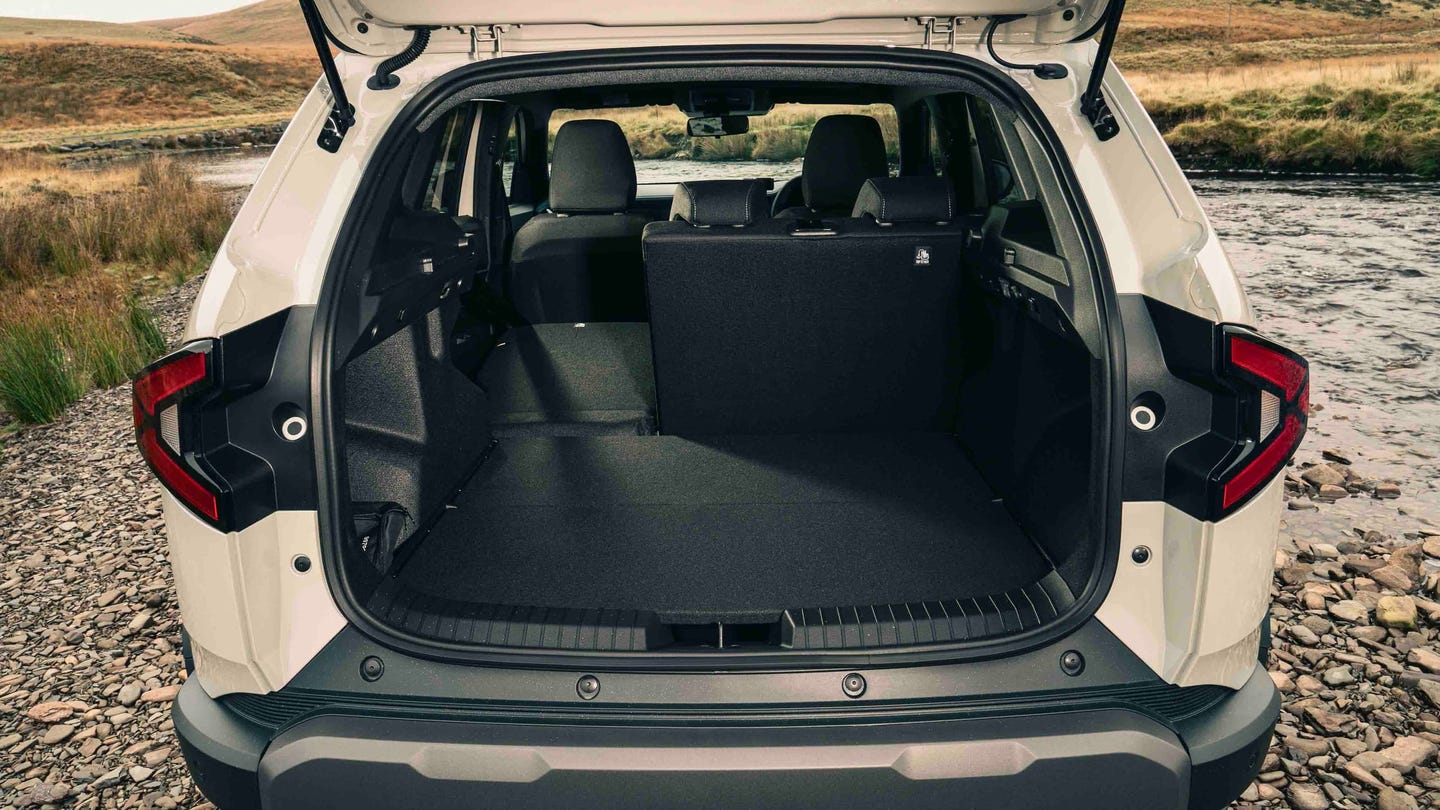
The boot is also a good size at 472 litres (430 in the hybrid). It’s long and wide, and there’s extra space in the spare wheel well if you need to stash valuables or a breakdown kit under the boot floor.

The Duster is available as a hybrid for the first time, although upgrading to this engine is quite expensive. We’d recommend the standard petrol engine to most buyers unless you get a good deal on the hybrid, you need an automatic gearbox or are mainly going to be driving around town. The hybrid is a lot more modern-feeling and should be cheaper to run than the old Duster Bi-Fuel, which had an LPG tank as well as a petrol one.
Most of the time, the 130hp petrol engine is surprisingly quiet, and there’s a decent spread of torque throughout the rev range which makes for easy progress. You don’t usually need to downshift for steep hills or when a bit of extra acceleration is required.
The Duster’s driving experience seems perfectly set up for normal, everyday journeys. The clutch is light and smooth – many other three-cylinder engines have a much lumpier clutch – and changing gears through the six-speed manual ‘box is effortless.
You sit high in the Duster, giving you a great view of the road ahead. You get a satisfying feeling of looking over its muscular bonnet, as if you're in a truly unstoppable 4x4. All-round visibility is good, making the Duster easy to place on unfamiliar roads and down narrow country lanes.

Approach a corner too enthusiastically and the Duster exhibits a fair bit of body roll, but are you surprised that a tall, family-friendly SUV doesn’t corner like a sports car? What’s more important is the ride comfort, and the Duster does well here. Some big impacts are felt in the cabin, but the Duster skips over scruffy road surfaces. The Duster is a light car for its size, and it gracefully deals with bumps that heavier SUVs would thump into.
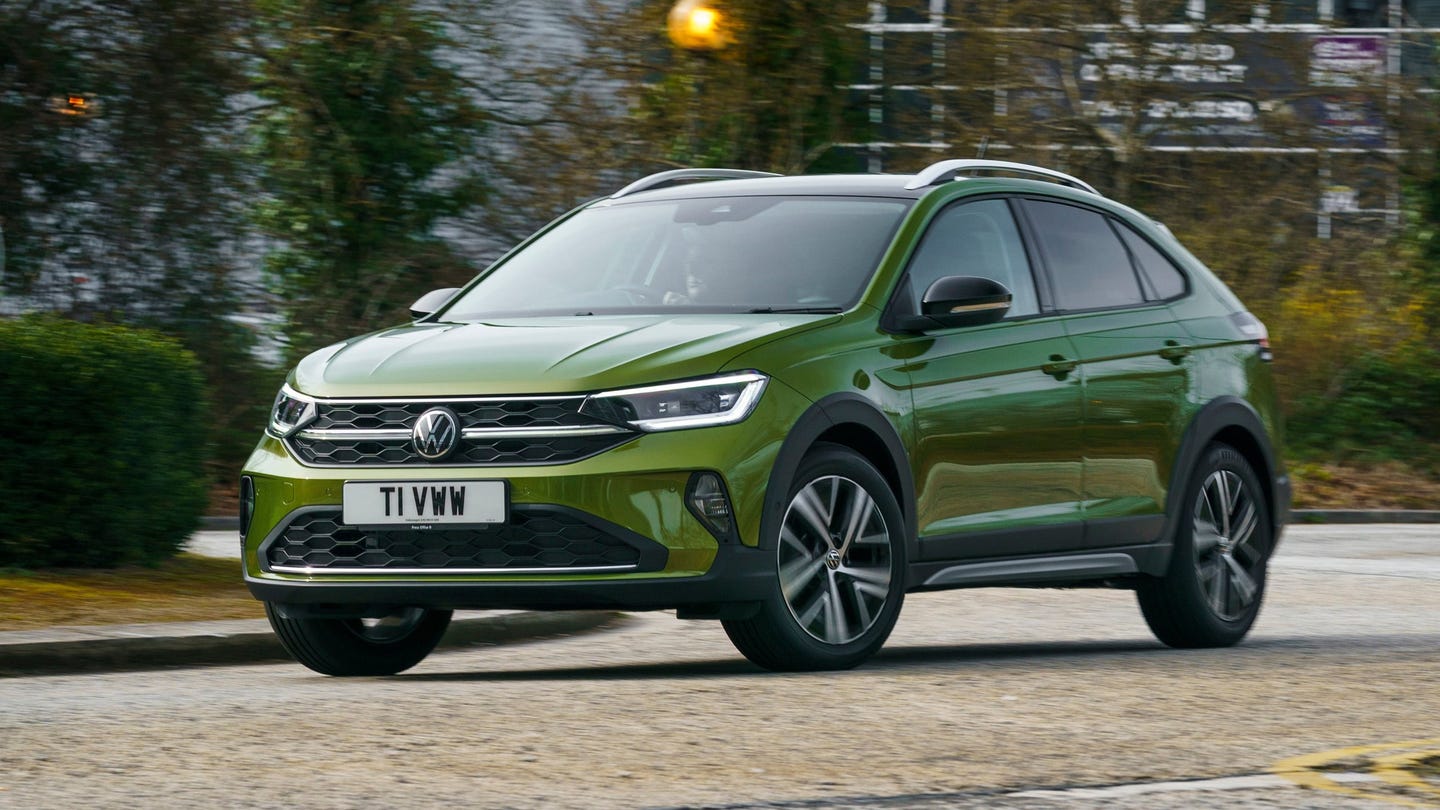
Practical Polo-based crossover is efficient and easy-going
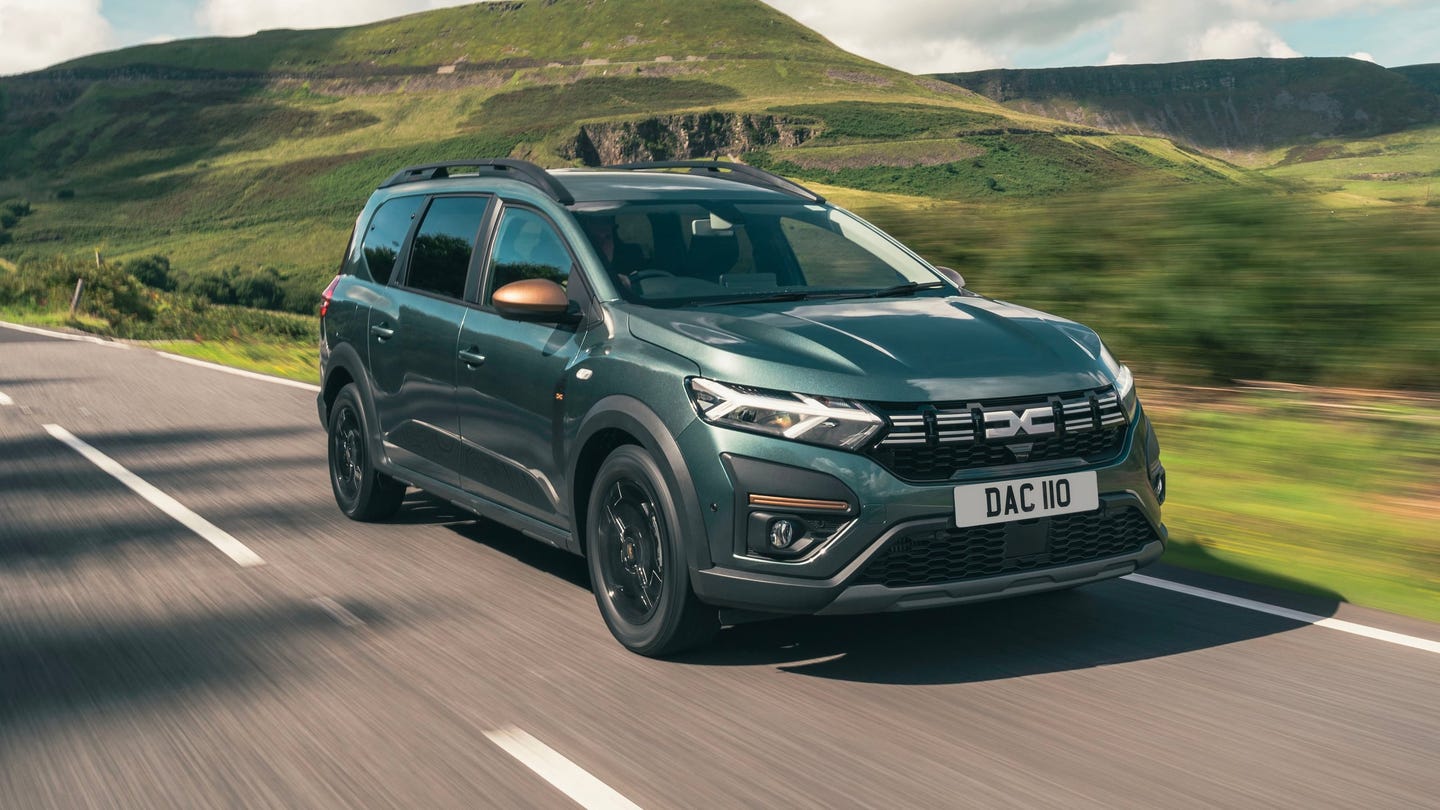
The best-value family car around – and it has seven seats as standard